




China – Items
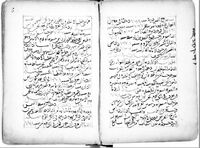
Manuscript, China, 1363, Naskhī
-
Cite
APA
Shunhua Jin, . (n.d.). Manuscript, China, 1363, Naskhī (1–), CallFront, accessed October 24, 2026, https://callfront.inha.fr/s/callfront/item/3859
Chicago
Shunhua Jin. n.d. “Manuscript, China, 1363, Naskhī.”, CallFront, accessed October 24, 2026, https://callfront.inha.fr/s/callfront/item/3859
MLA
Shunhua Jin. Manuscript, China, 1363, Naskhī, CallFront, accessed October 24, 2026, https://callfront.inha.fr/s/callfront/item/3859
Item descriptor
- Copyrights Holder
- CallFront
- License
- CC BY-SA 4.0
- Entry ID
- China_SJ_06
- Author
- Shunhua Jin
- Contributor(s)
- Nuria Garcia Masip
- Date
- 764 H.
- 1363
- Localization Exactitude Degree
- Approximate
- Place of Production
- China
- Present Location
- Bibliothèque nationale de France, Paris
- Website Link
- https://gallica.bnf.fr/ark:/12148/btv1b10031020r
- Language
- Arabic
- Type of text
- Scientific literature
- Text Content
- astronomical handbook by the Samarkandi astronomer Khwaja Ghazi al-Sanjufini. Called the Sanjufini Zij. Compiled in 1363 and dedicated to his Mongolian patron Prince Radna who was the Viceroy of Tibet stationed in Hezhou in Gansu Province. Prince Radna was a descendant of Kublai Khan who was interested in Islamic astronomy like Kublai Khan and Hulagu Khan. The handbook is notable for having Middle Mongolian glosses written in vertical Mongolian script in its margins.
- Script
- Naskhī/naskh
- Color of the Script
- black
- Signature
- Abou Mohammad ʿAta ibn Ahmad ibn Mohammad ibn Khvadja Ghazi al-Samarkandi al-Shifini
- Signature Role
- calligrapher
- Remarks (General Identification)
- BnF arabe 6040
- Type of Object
- manuscript\codex
- Writing Surface
- paper\type of paper\oriental paper
- Size (of the object)
- 19 × 13 cm
- Technique
- written
- Remarks (Support)
- 58 f.
Script descriptor
See the lexicon
General Script Characteristics
- Line of Writing
- undulating
- Groups of Characters Baseline
- oblique
- Character Spacing
- irregular spaces between groups of words
- Presence of Elongation
- rare
- Elongated Letters
- sād/ḍād, ṭa/ẓa body
- Shading / Contrast
- medium contrast
Ascenders
- Alif Ascenders
- alif - non serifed
Descenders
- wāw descenders
- wāw - short curvilinear tail
- mīm descenders
- long flat curvilinear tail
- nūn sīn shīn sādḍād yā’ lām and qāf descenders
- nūn, sīn/shīn, sād/ḍād, yā', lām, qāf - curvilinear flattened bowl
- nūn, sīn/shīn, sād/ḍād, yā', lām, qāf - plunging bowl
- yā’ al-rāji’ah descenders
- short backward horizontal stroke
denticles
- sīn shīn denticles
- medial zig-zag denticles
- initial and medial bāʾ tāʾthāʾ nūn yāʾ denticles
- initial very low, inclined to right
counters
- hā' counters
- final s-shaped (muḥdawdibah)
- mīm counters
- rounded head pointed chin, closed eye
Other
- additional characteristics
- Not using dots in the writing